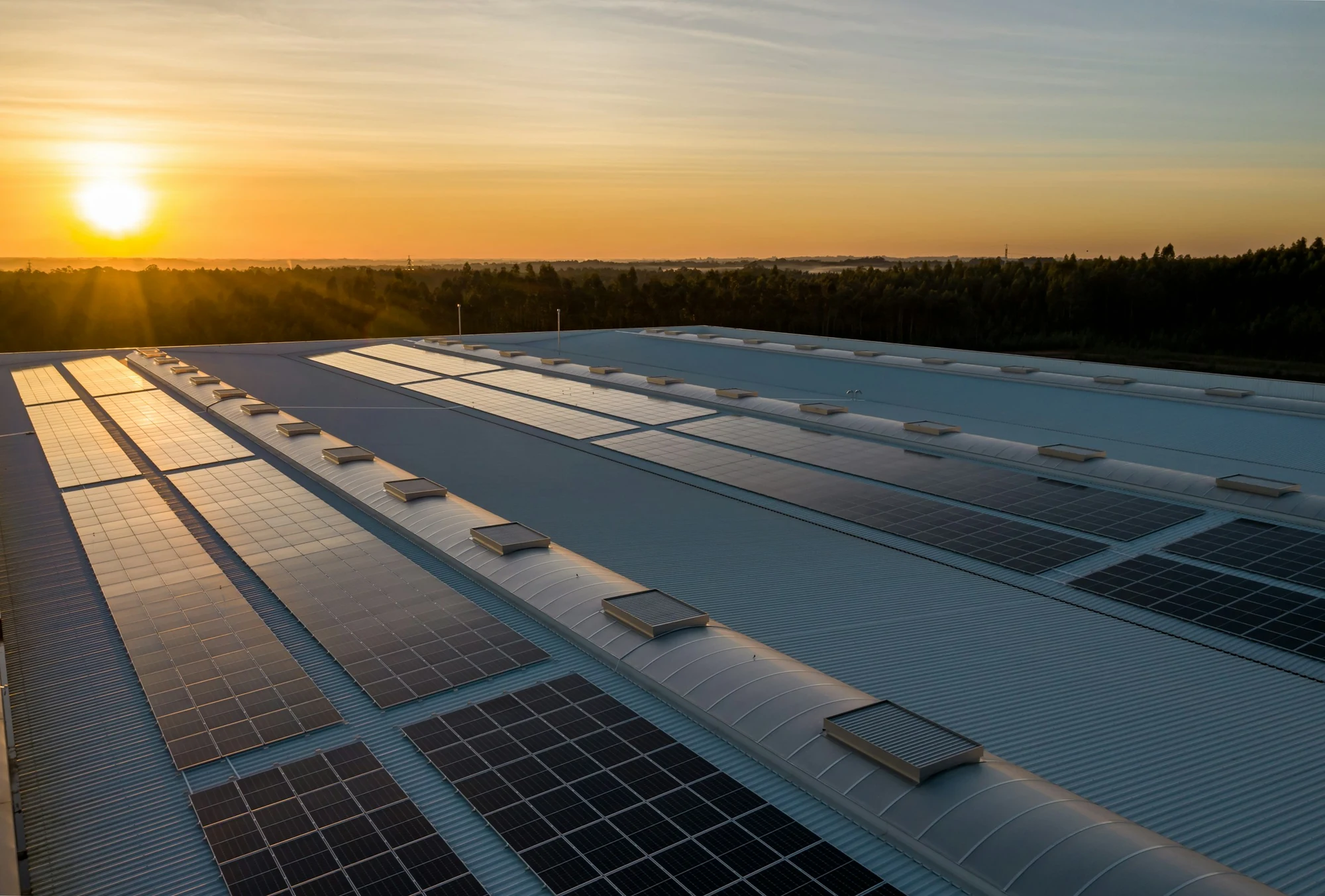
Commercial rooftop solar at sunset. Representative image, not an Axis Energy installation.

Services

What Axis Energy can take on.

Each section describes the work in plain terms. If a project sits across more than one of these, we will treat it as a single scope rather than eight separate conversations.

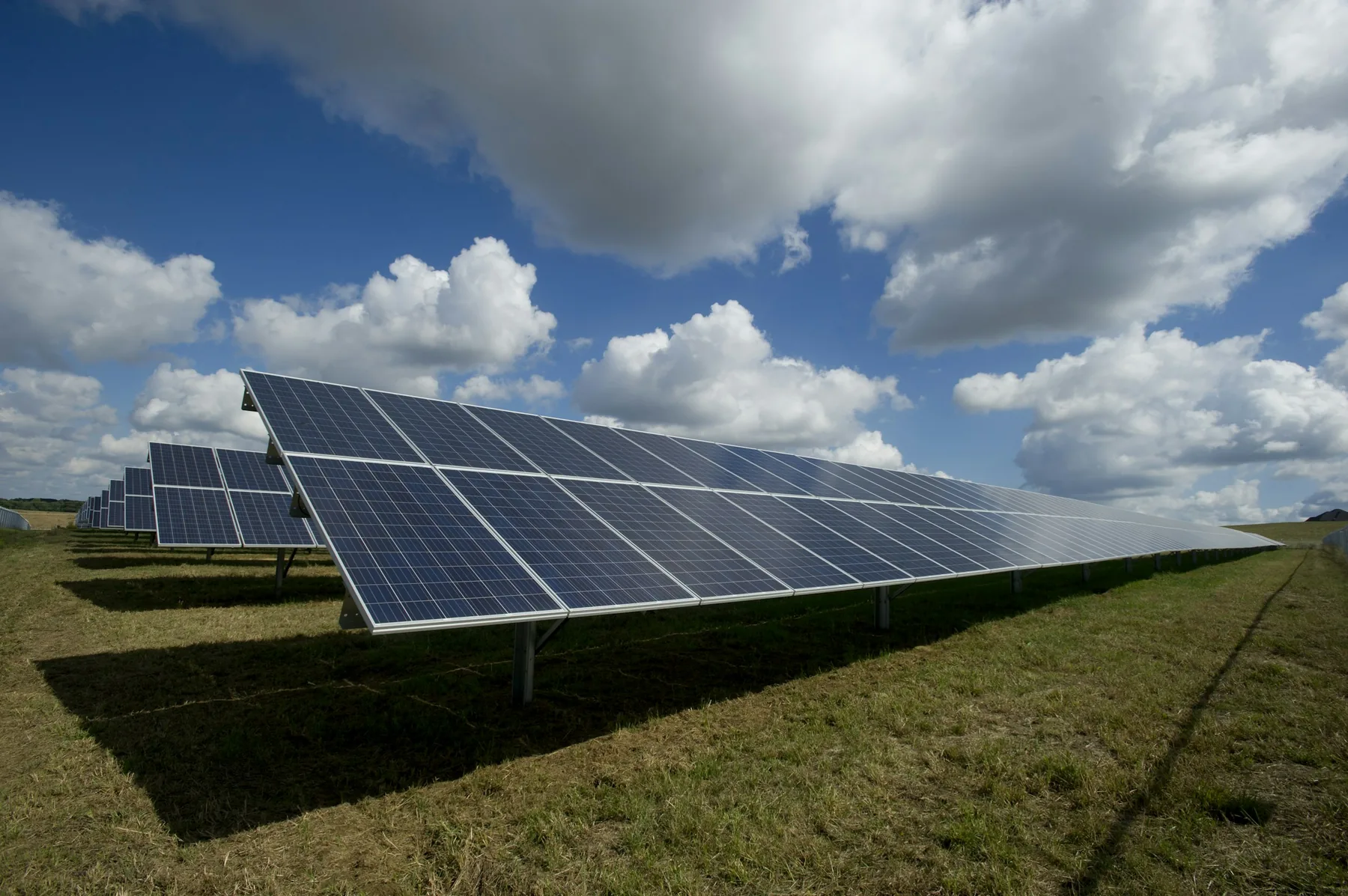
A ground-mount solar array in open country. Representative image.

Rooftop and ground-mount solar (EPC)

We handle the engineering, procurement and construction of on-site solar — rooftop arrays and ground-mounted plants. The work usually starts with a site survey: structure or land, shading, electrical rooms, and the point of connection.

From there we prepare a design and a written scope, source the equipment agreed in that scope, install it, and commission the plant. Handover includes the drawings and test records you will need to operate and maintain the system.

We do not quote a standard size or a standard saving here. Both depend on the site, the load and the connection, and should be worked out case by case.
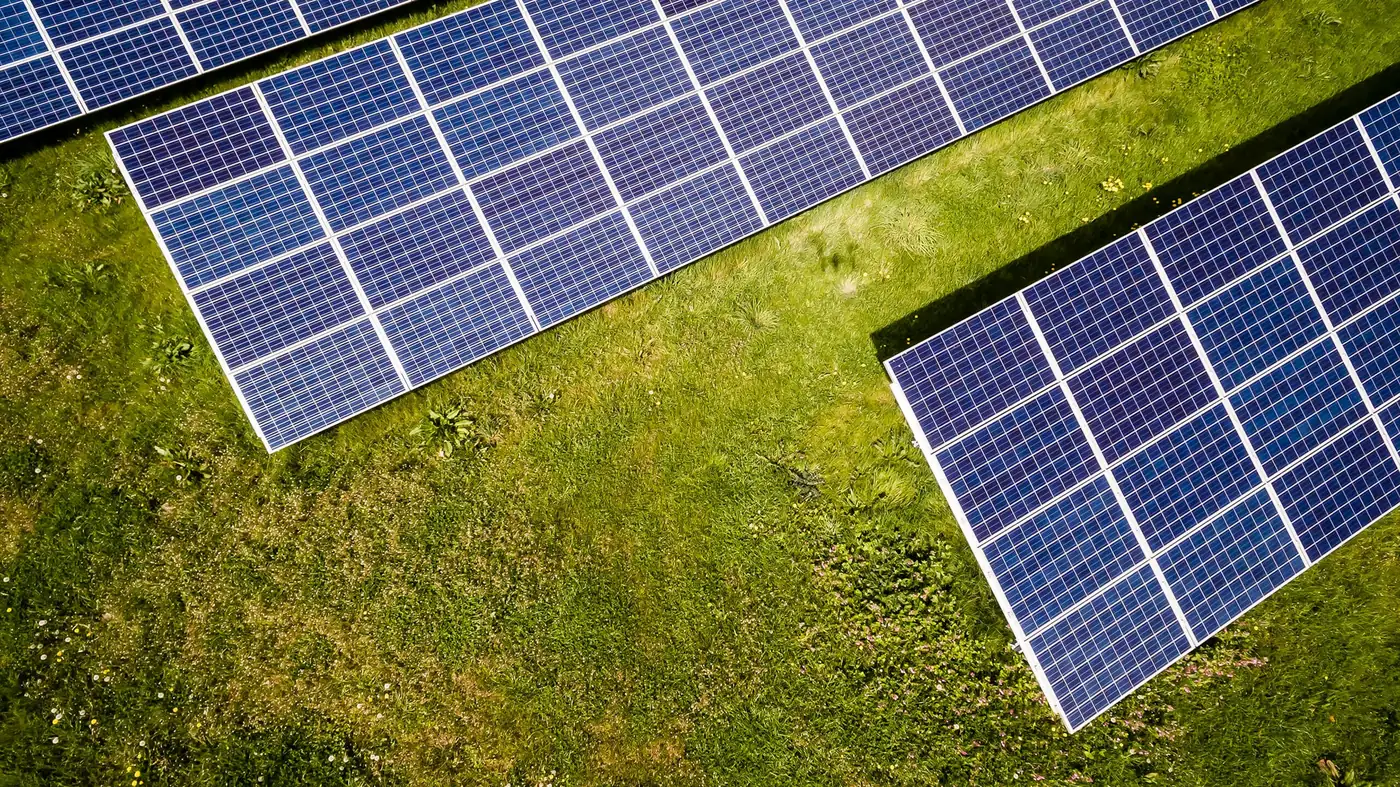
Aerial view of solar modules on grass. Representative image.

Commercial and industrial solar, including open access

Factories, warehouses and campuses often have the roof, land or demand to make a solar project worth examining in detail. That can be a system on the premises, or a supply arranged under open access, where the rules of the state and the discom apply.

We will set out which route is available, what approvals are required, and what would sit in our scope versus yours or a third party’s. Open-access work in particular depends on current regulation; we will not treat a route as available until that is checked for the site in question.

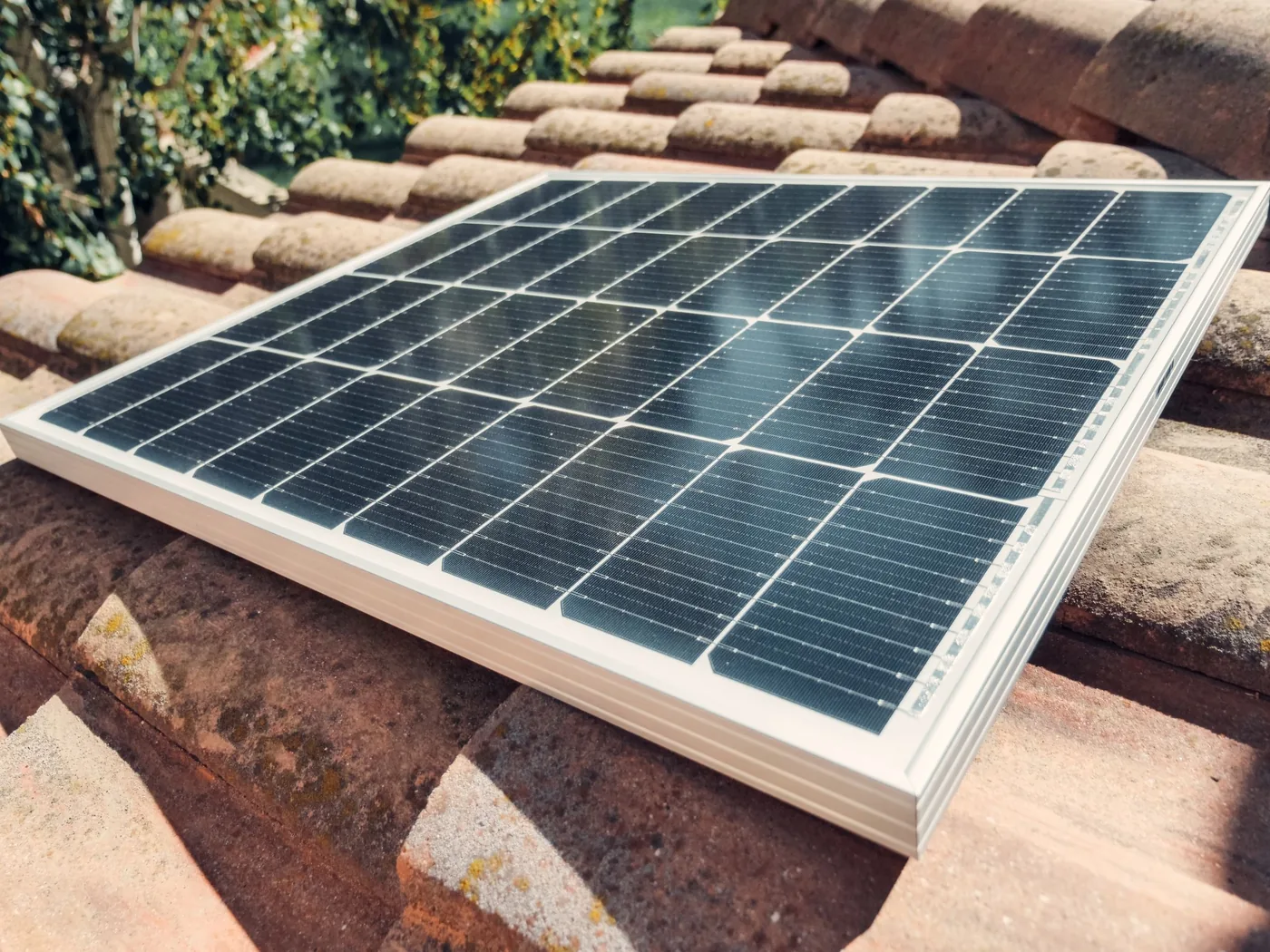
A single solar module on a tiled residential roof. Representative image.

Solar for homes

A house needs a smaller conversation than a factory, but the same order of work: a look at the roof, the load, and the connection, then a design and a price you can review, then installation and a clear handover.

We will tell you if the roof, the shading or the electrical arrangement makes a system a poor fit. A modest, well-built array is more useful than one sized for a brochure.

Battery energy storage

Storage is useful when it is tied to a real need: evening load, backup for a defined set of circuits, or better use of an existing solar array. It is not automatically the right next step on every site.

We size a battery around the load, the solar (if any), and the grid connection, and we write down what the system will and will not cover. Chemistry, duration and enclosure are chosen to match that brief, not a single preferred product.

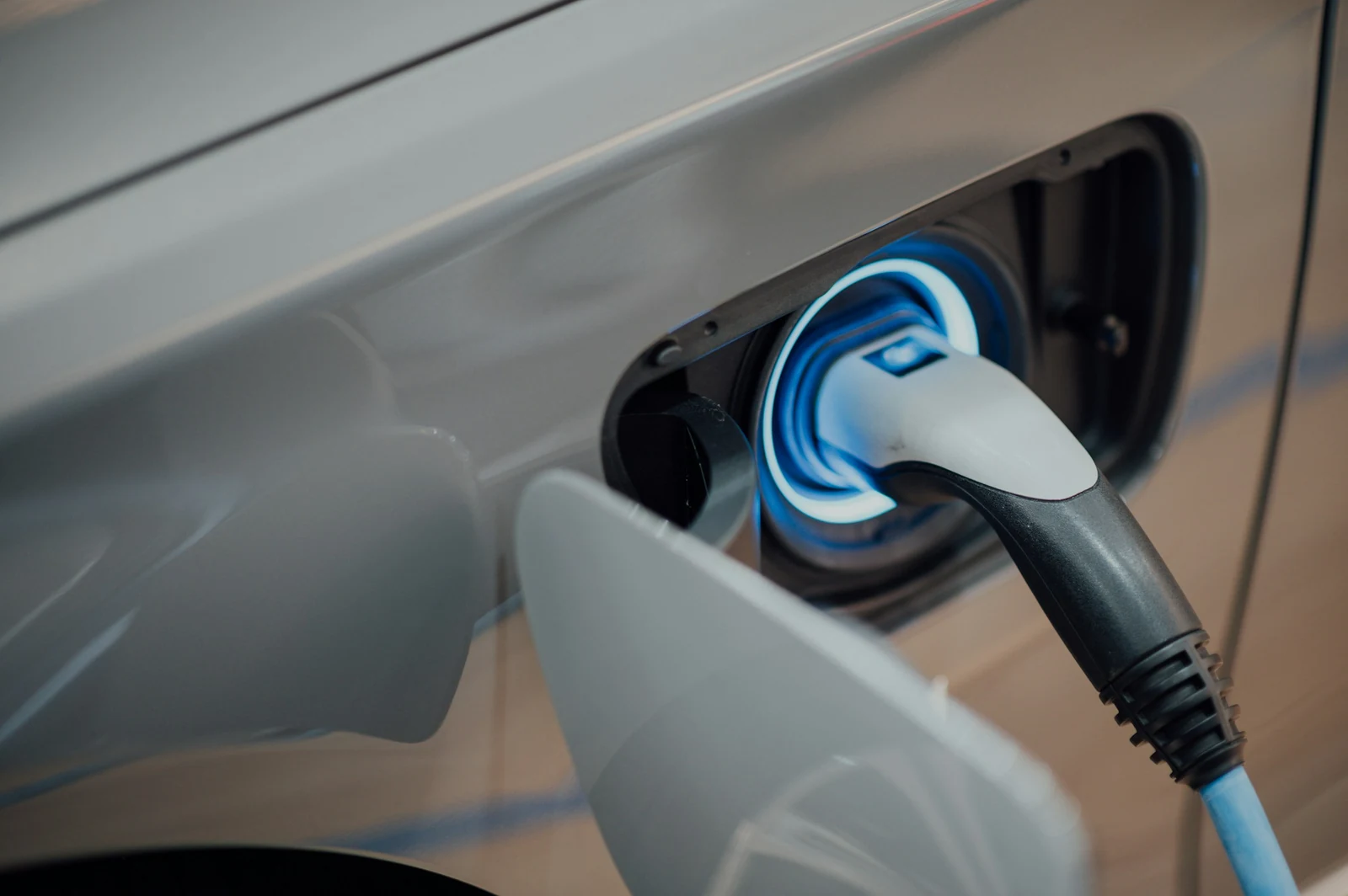
Close-up of an electric vehicle on charge. Representative image.

EV charging

Charge points for workplaces, housing and depots only work if the electrical capacity of the site can support them, and if the layout is usable day to day. We start with those two facts.

A project may be a few AC points, a smaller number of faster chargers, or a mix, sometimes with load management so the building and the vehicles can share a limited supply. We will say what the present connection can carry, and what would need an upgrade, before equipment is ordered.

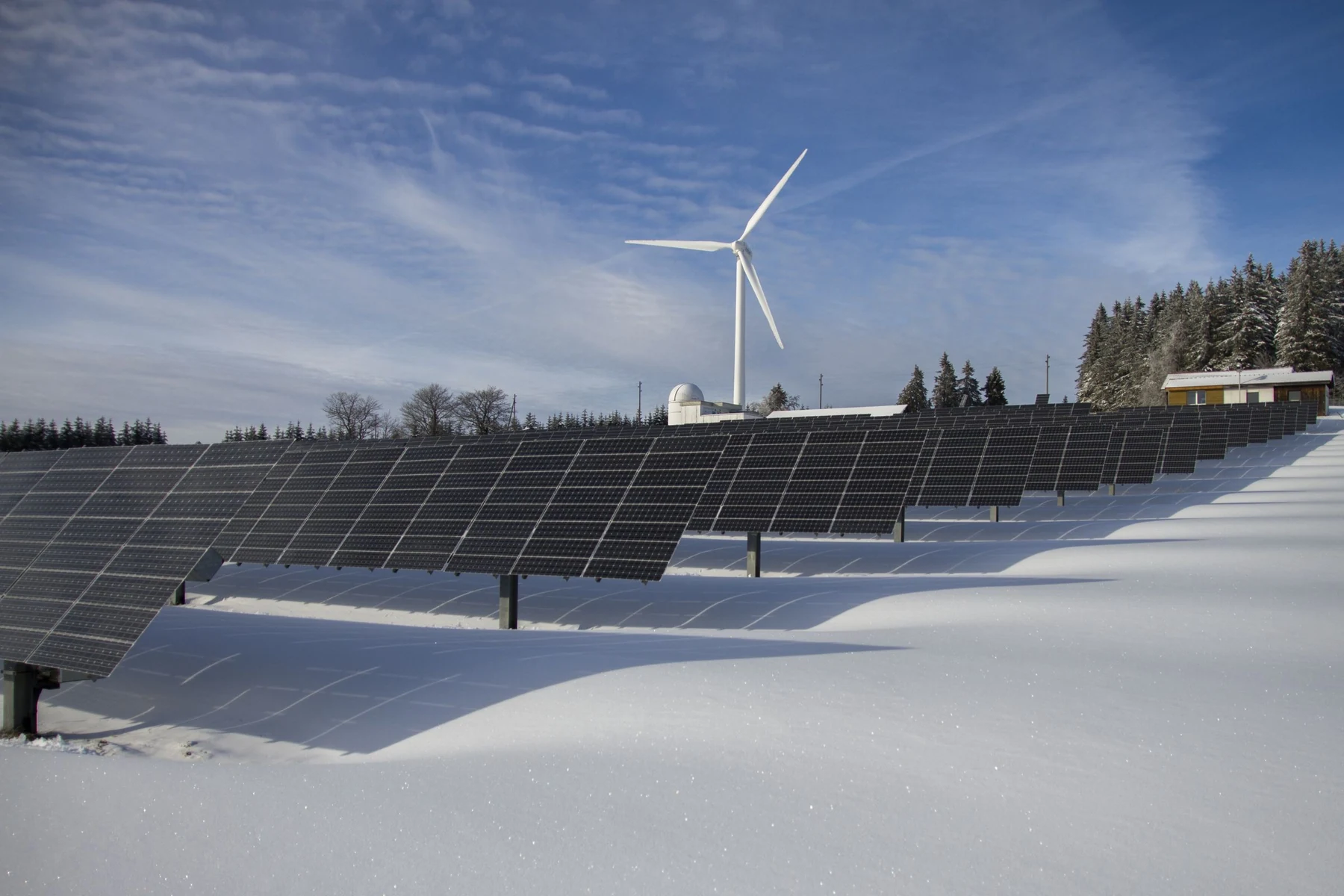
A solar array and a wind turbine in a winter landscape. Representative image.

Wind and hybrid systems

Wind, or a mix of wind with solar and storage, can be the right plant where the resource, the land and the connection support it. It is not a default recommendation.

Work in this area starts with a hard look at the site and the wind data, then a layout and a grid-connection plan. Hybrid plants need the controls and the electrical design to be thought through as one system. We will say early if the resource or the land does not justify going further.

Energy audits and efficiency

Before adding generation, it is often worth measuring how energy is used now. An audit looks at loads, operating hours, tariffs and obvious waste, then sets out changes that would actually be worth making.

The output is a written report, not a product list. Some findings may point to a solar or storage project; others may be simpler — controls, scheduling, or equipment that is due for replacement. We will keep those distinctions clear.

Operations, maintenance and asset management

Once a plant is running, it needs watching: performance against what was expected, scheduled servicing, and a response when something fails. We offer this for plants we have built, and we can discuss it for plants built by others after a review of the site and the records.

Asset management, where it is wanted, means keeping the documents, the warranties and the performance data in one place, and telling you when a decision is needed. The exact scope — visits, remote monitoring, spares, reporting — is written into the agreement, not left implied.

Not sure which of these applies?

Write to us with a short description of the site and what you want to achieve. We will say which of this work, if any, is the right starting point.

Contact Axis Energy